“Once veterans are no longer worrying about where they’re going to sleep, everything else starts to fall into place,” says Scott.
Scott works in The Mustard Seed’s Veteran Housing Advocacy and Peer Support Program as a Veterans Peer Support Worker, directly working with and supporting veterans experiencing homelessness and poverty in Calgary. The main goal of this program, funded through Housing, Infrastructure and Communities Canada Veteran Homelessness Program, is to help veterans in Calgary and Edmonton find a place to call home and offering them the support they need to get there. More than finding a place to live, peer support workers offer veterans someone to talk to that understands their struggles.
“It’s more like army buddies getting together and chatting rather than a clinical peer support team,” explains Scott.
Scott’s peer support typically begins with talking to the veterans and seeing if any specific issues come up, such as help finding and maintaining stable housing, applying for income support, or providing essential supplies. From there he can connect them with advocates who have the resources to get them the help they need – but Scott’s role doesn’t stop there. A lot of his job is simply offering moral support where clients need it.
“I’ll accompany them to court if they are nervous or need to go to the doctor or registry and are feeling anxious about that,” says Scott.
“Not necessarily doing everything for them but just supporting them so they know they aren’t alone.”
The Mustard Seed’s Veteran Advocacy Program also helps veterans with their Veterans First Canada account, a platform set up for veterans to claim compensation for mental and physical injuries sustained during service.
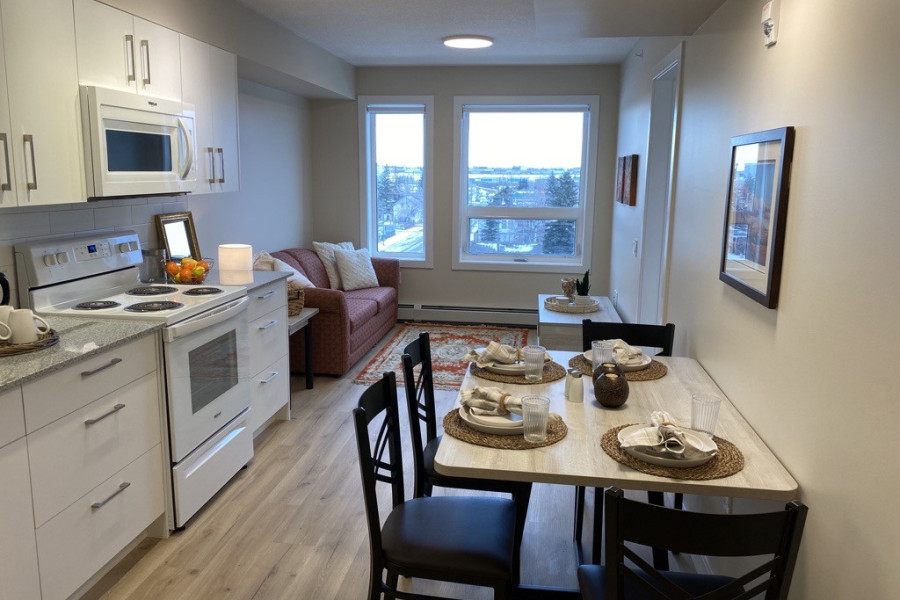
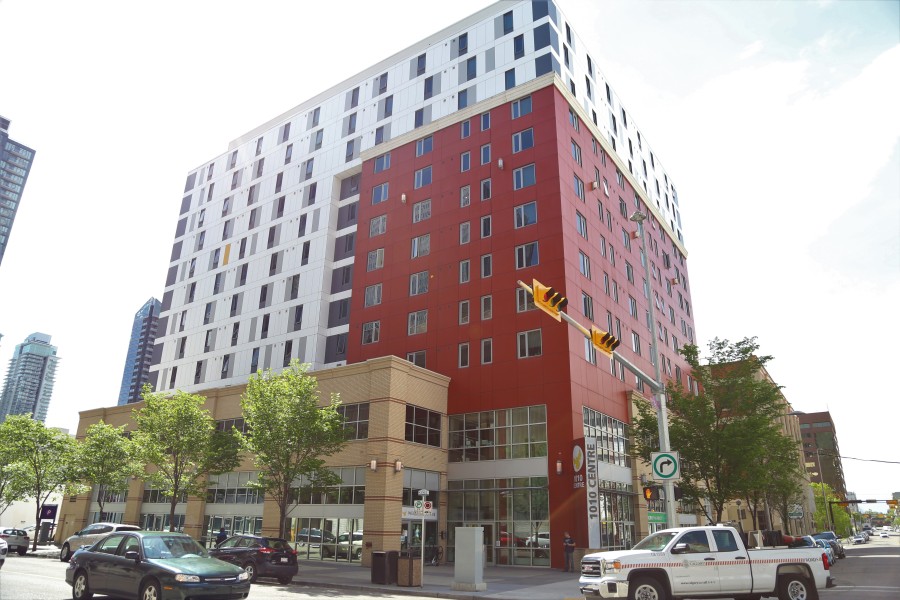
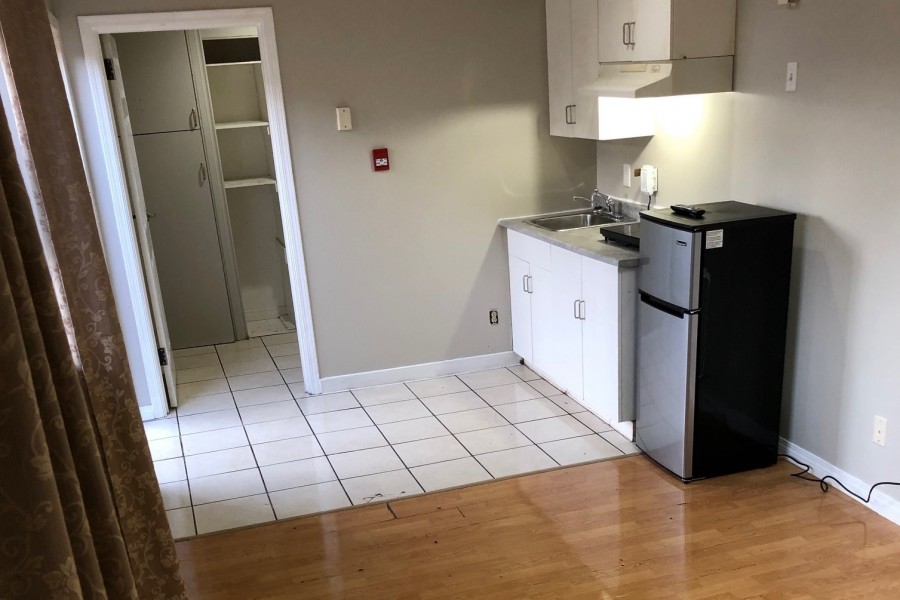
Scott also works with getting veterans experiencing homelessness into stable housing. The Mustard Seed has various partnerships with Homes for Heroes, Alpha House, Onward Homes, as well as The Mustard Seed’s own supportive housing buildings that offer specific housing for veterans experiencing homelessness.
How Veterans Advocates Help:
- Providing essential supplies
- Developing a plan based on client’s goals
- Assisting with finding and maintain stable housing
- Providing short-term rental assistance
- Referrals to health, wellness, and recovery resources
- Applying for income supports and disability benefits
- Support with Veterans Affairs Canada
- Peer support and case management
- Connections to other services and Mustard Seed partners
This program extends far beyond the office walls of The Mustard Seed. Veterans Advocacy peer support workers have the unique ability to be mobile, meeting veterans where they are, whether that’s because of mobility issues or comfortability. This creates opportunities to meet with even more veterans that are in need of support.
“It makes it easier because some of the clients I meet with are nervous coming to a downtown office filled with people. It's better for us to meet them in their own environment,” says Scott.
For Scott, his work with veterans through The Mustard Seed extends far beyond a job. It’s an opportunity for him to connect with other veterans that have had similar experiences to him.
“I served 13 years in the British Army and when I left, I was immediately made homeless,” says Scott.
“I moved to Calgary to work in oil and gas but kept getting turned down because I was overqualified and hadn’t lived in Canada long enough.”
When he was initially looking for work, Scott was focused on applying for jobs that were made for veterans, not necessarily jobs working with veterans. However, once Scott found this position with The Mustard Seed and was hired on, he has loved every minute of it.
“They don’t realize that working with these veterans helps me as much as I help them,” says Scott.
It is this ability to relate to those he works with that makes a huge difference in the support Scott is able to offer.
“When the military is your whole life, it can be hard to relate to civilians, or have civilians relate to you,” says Scott.
As of October 2025, the Government of Canada estimates that there are approximately 1800 veterans who experience homelessness across Canada and are accessing emergency shelters. This number is likely much higher as homelessness is not always defined by those staying in shelters, this is referred to as ‘hidden homelessness.’
‘Hidden homelessness’ is where individuals lack a stable, long-term place to live but are not visibly homeless. Instead, they are living in temporary, insecure arrangements such as couch surfing, staying in cars, or residing in temporary accommodations like hostels or motels.
This same survey found that the causes that lead veterans to homelessness are very similar to those who are not veterans. The most common among these reasons being substance abuse, inability to pay rent/mortgage, illness, job loss, and unsafe housing conditions. However, veterans were more likely to cite illness or a medical condition as the reason they are now experiencing homelessness. Many veterans that were injured could no longer work and weren't able to officially retire to access their pension. Losing their jobs means a lack of income and soon many could no longer afford their rent or mortgage, leaving them with nowhere to go.
“A lot of people are in this situation, that just one incident or one missed paycheck could be the difference between having a house and bed to come home to or sleeping on the streets,” says Scott.
This Remembrance Day, we want to highlight our Mustard Seed staff that are veterans as well as the veterans that our staff support through our Veterans Advocacy Programming. But beyond that, we want people to remember our veterans that are experiencing homelessness everyday.
“We’re here all year round,” says Scott.
“Whenever November 12th rolls around, those veterans are still on the streets, and they still need your support.”
If you want to support our Veterans Programming, click here to donate or if you are a veteran looking for help, please click here to find an online referral form.